With support from experts in these fields, these projects have undergone in-depth research. Scientist and conservationist have helped inform what was created, bringing collaborative elements.
Morphology of Native Moths
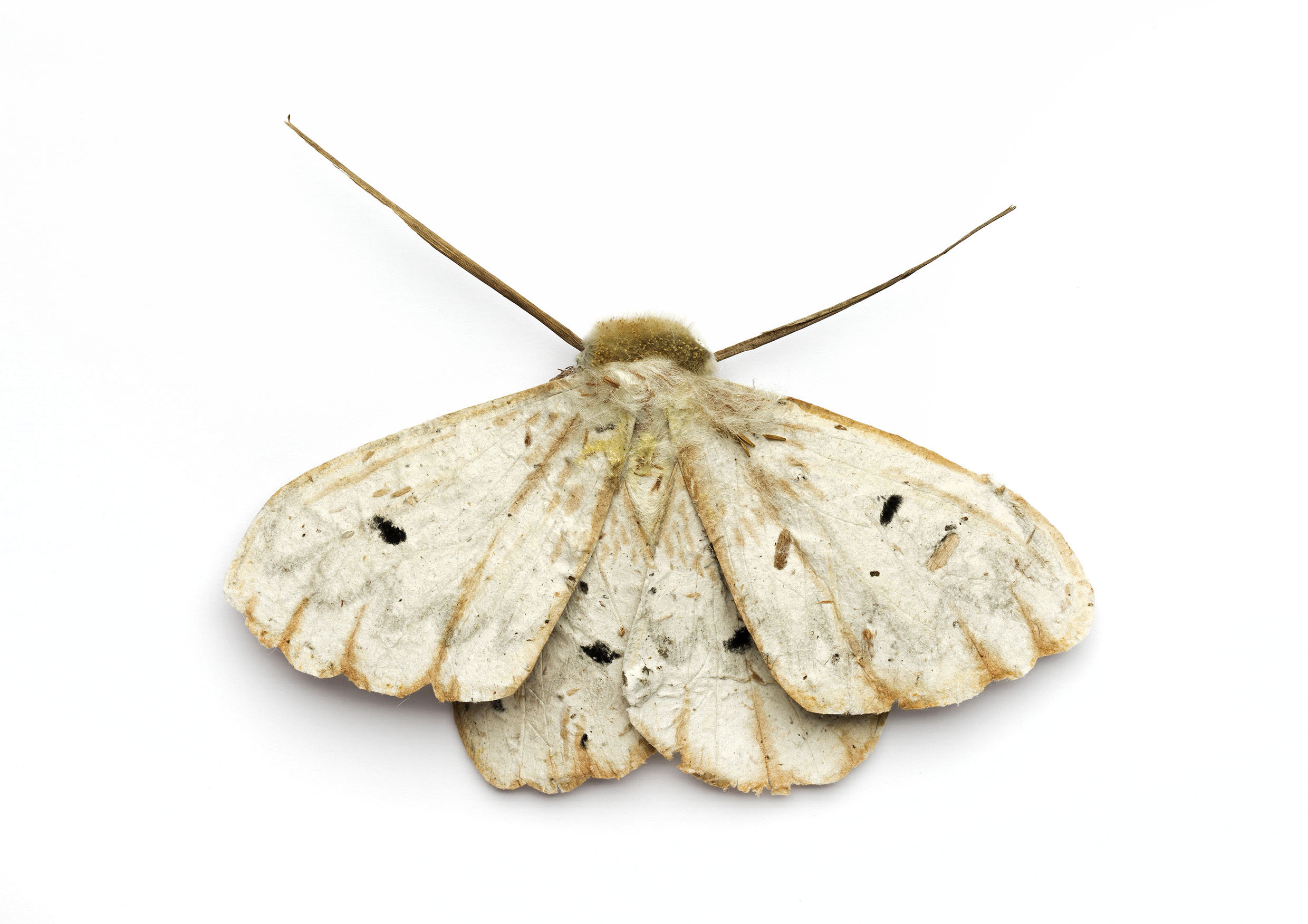
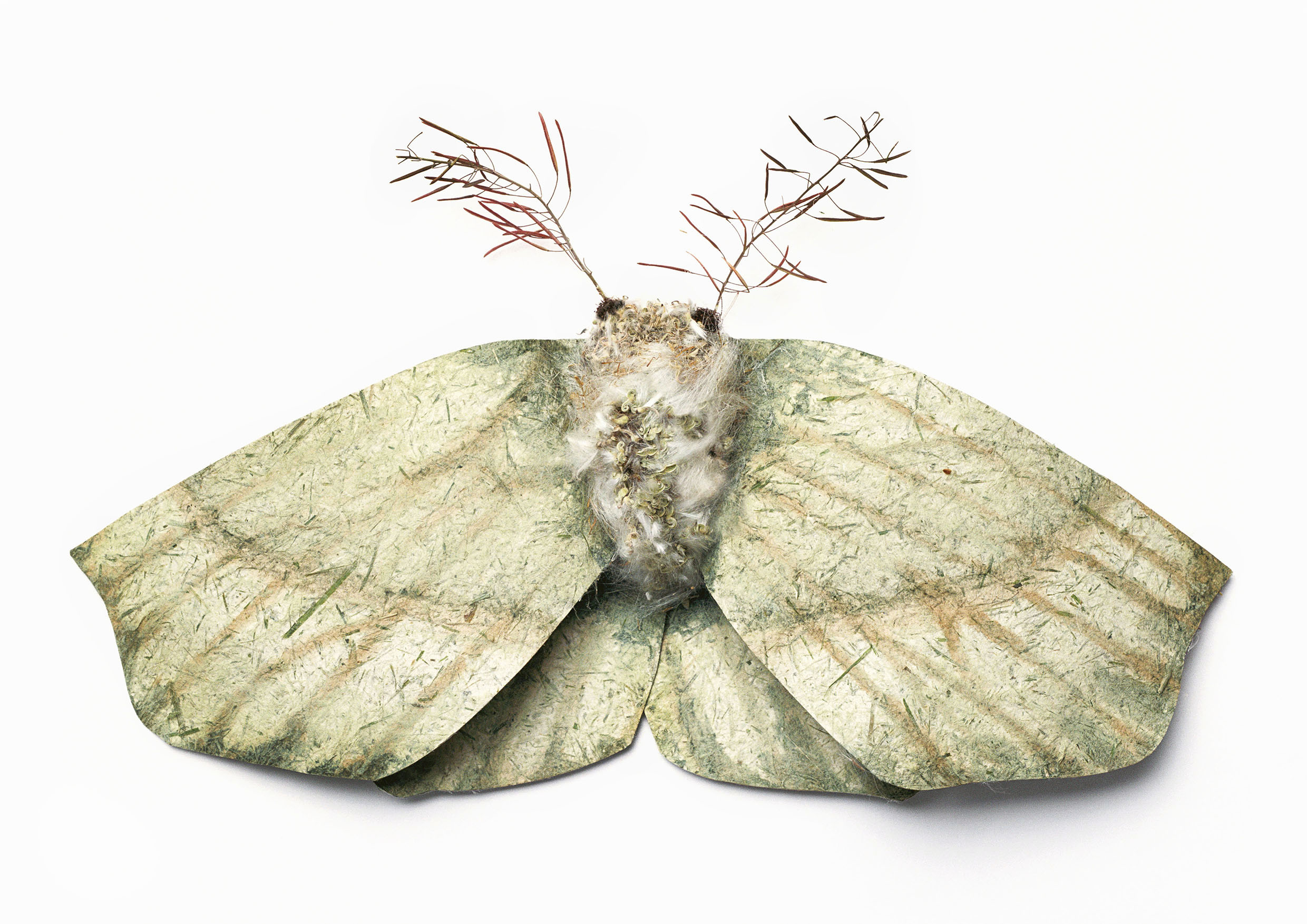
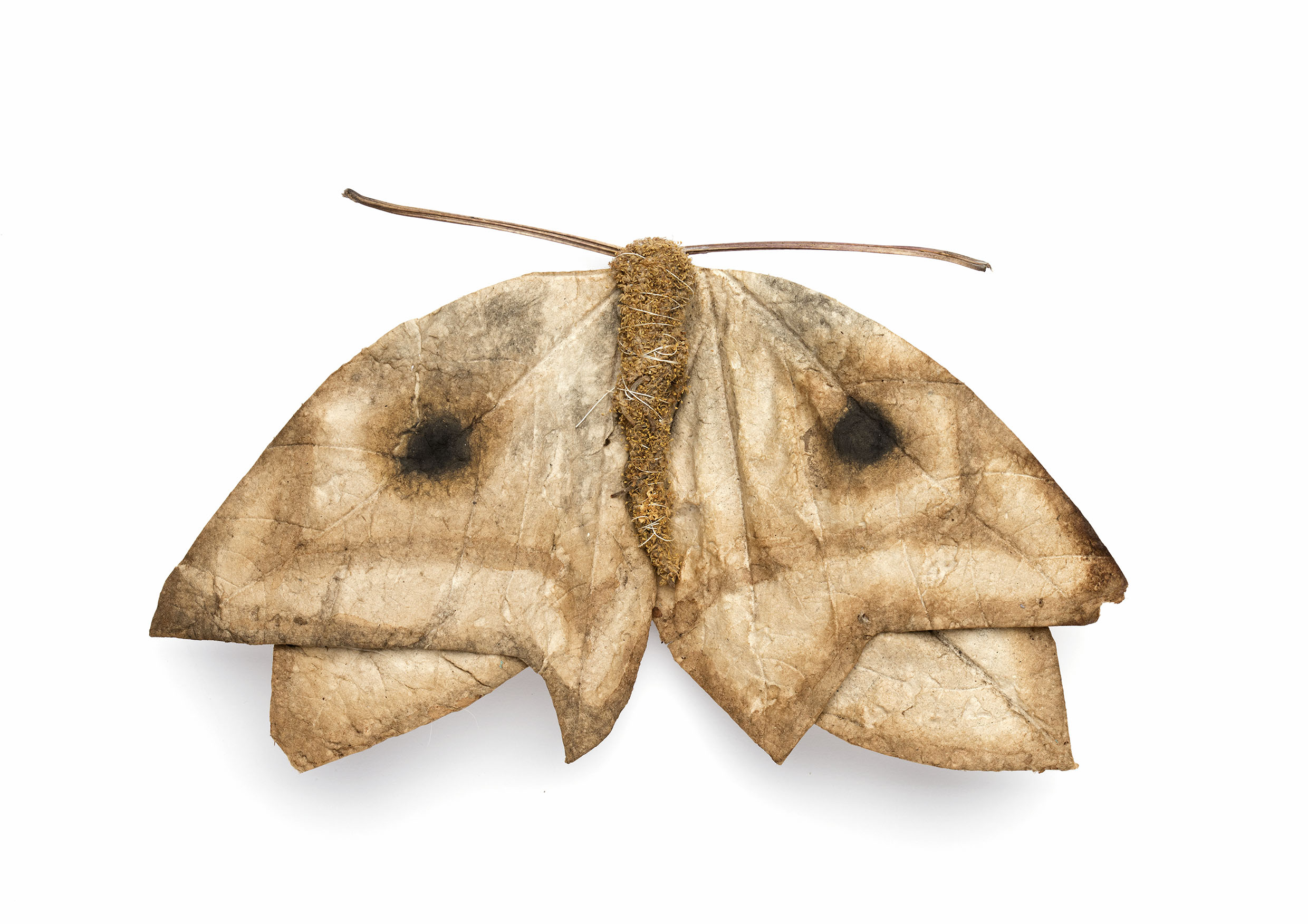
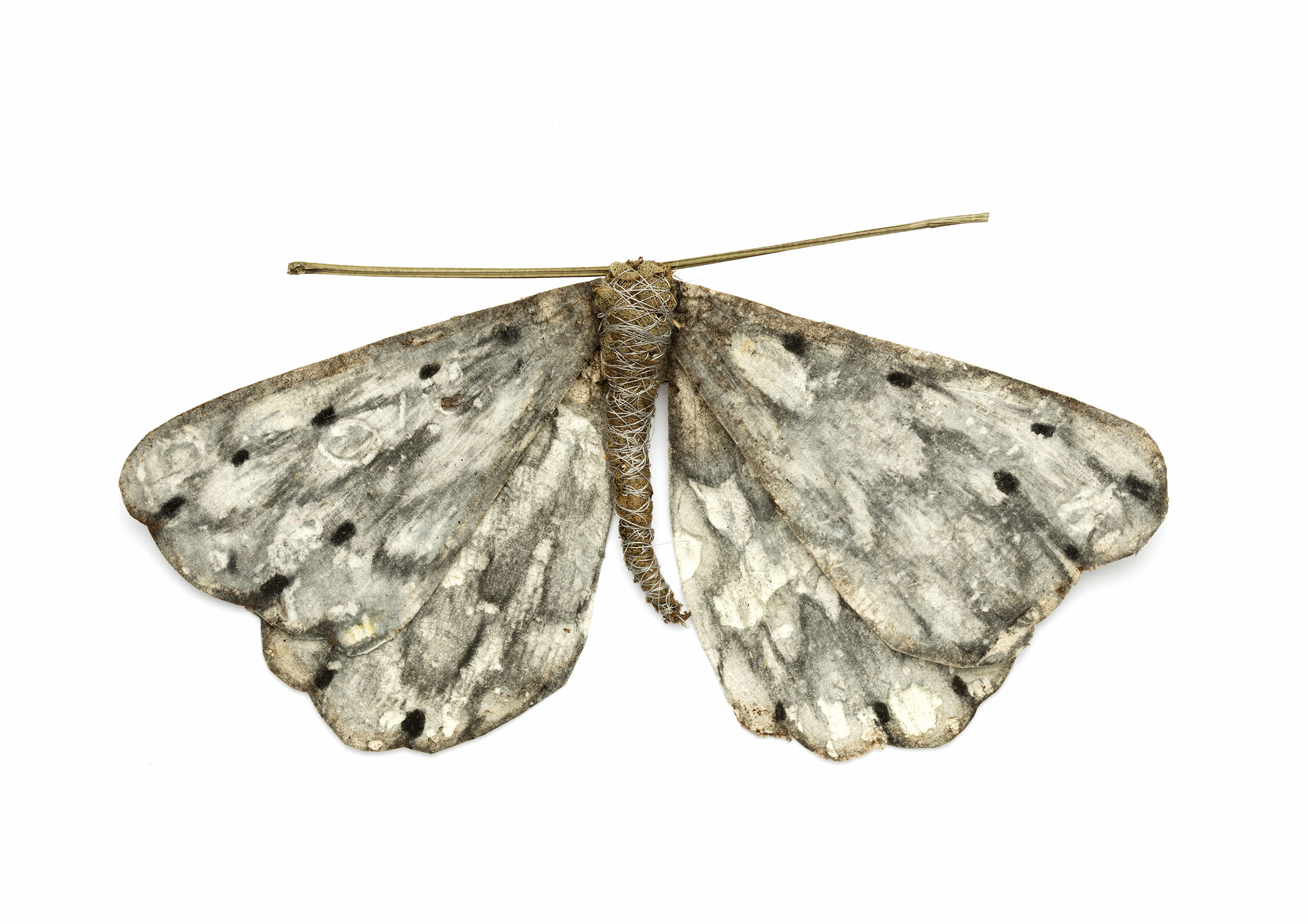
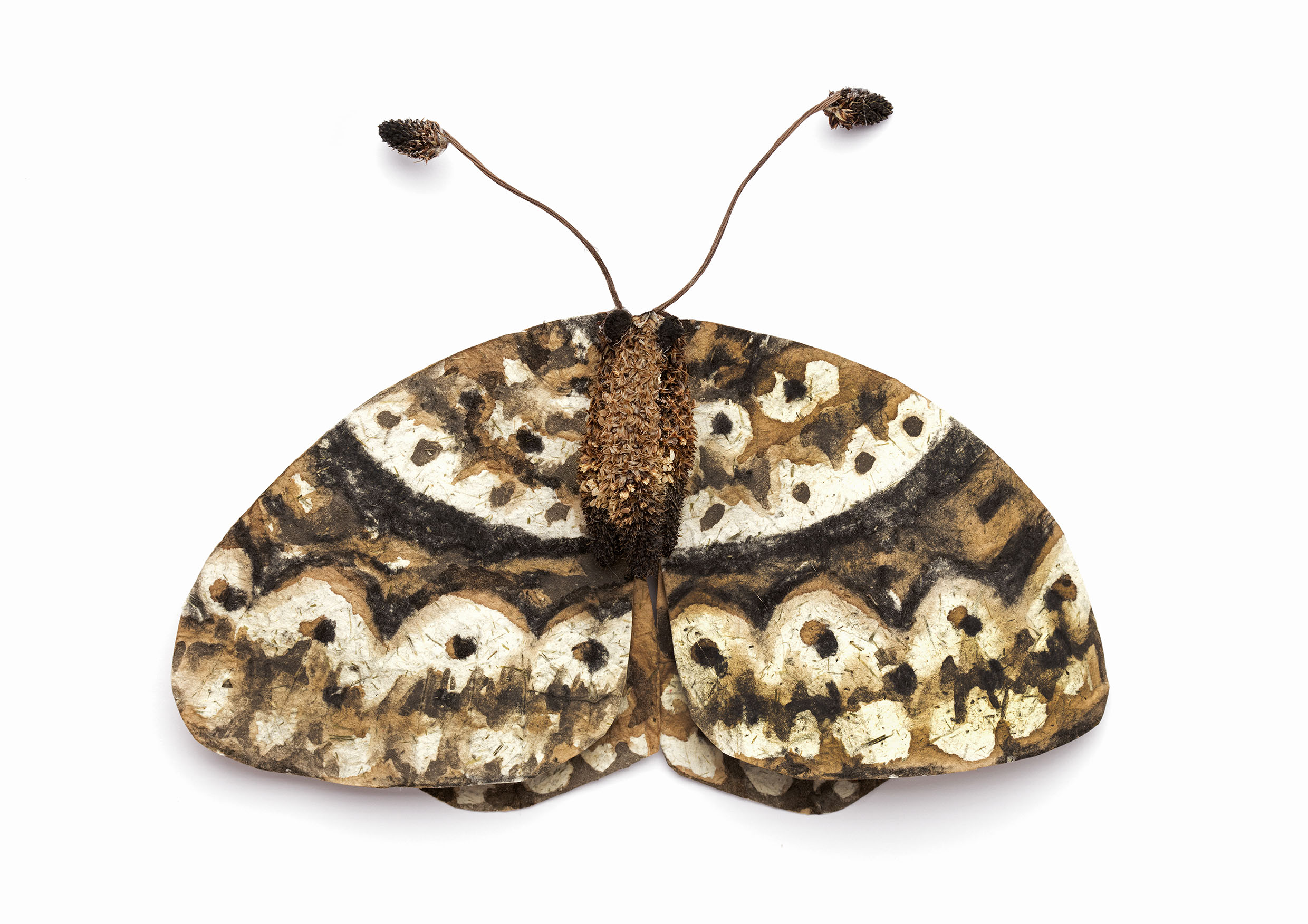
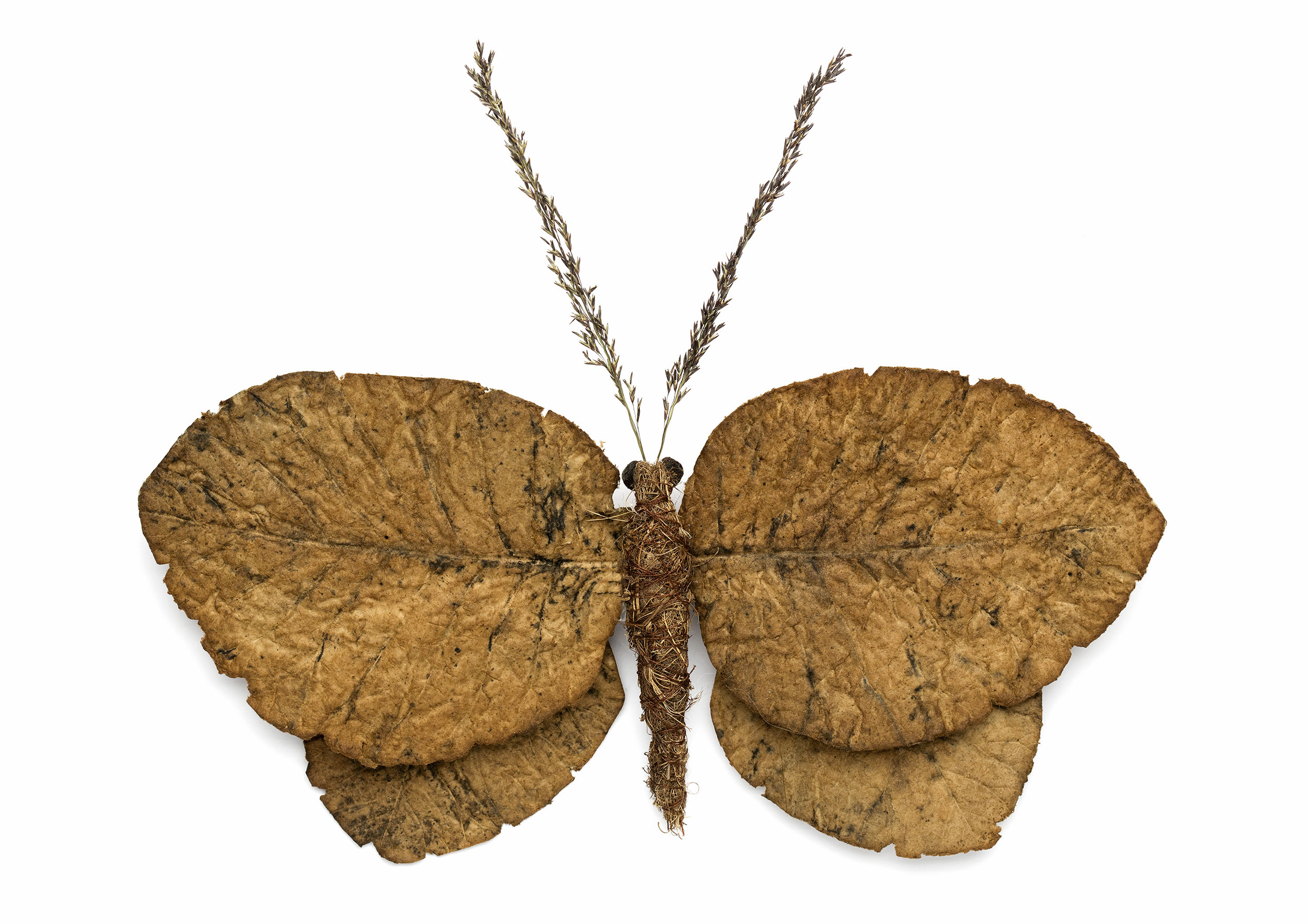
In appearance, moths can be closely matched to the landscapes in which they live, as different species will often mimic the patterns, colours and textures of their natural environment. To create the most authentic replicas of these moth species, organic matter has been collected from their natural habitats and then constructed through various forms of craft-making. The fabricated models are then photographed and then presented as specimens. The moths themselves convey all the diversity of their natural environment. By embodying the landscape from which they derive, they demonstrate how interwoven a species is to its environment.
This project was made with the help of the Butterfly and Moth Conservation charity.
PLASTIKOPLANKTON Ocean Invaders
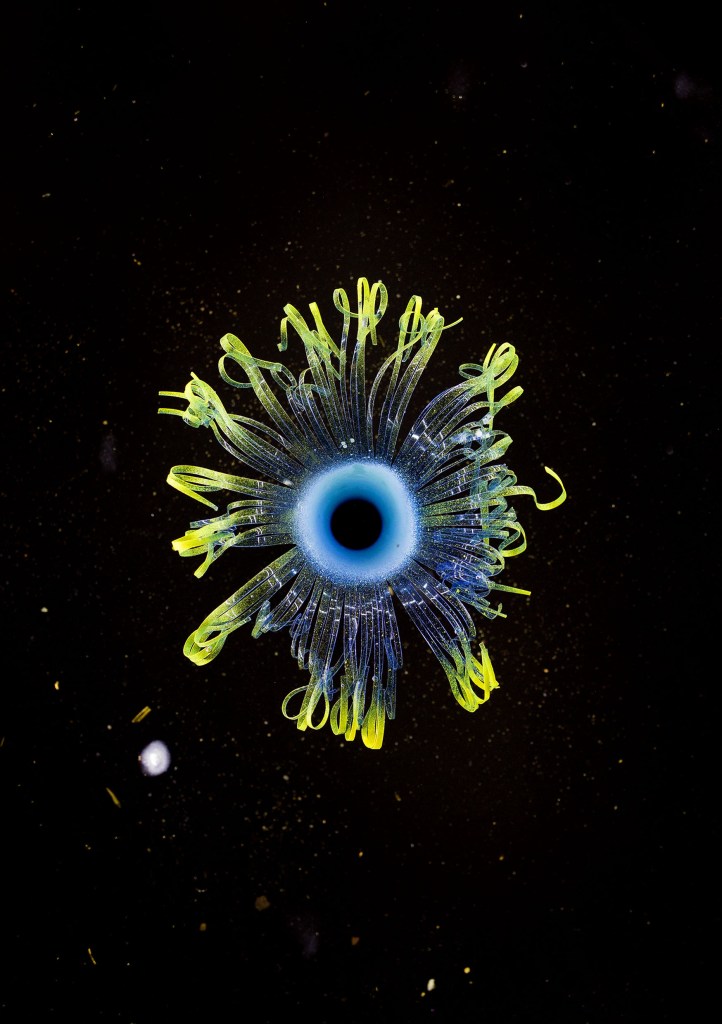
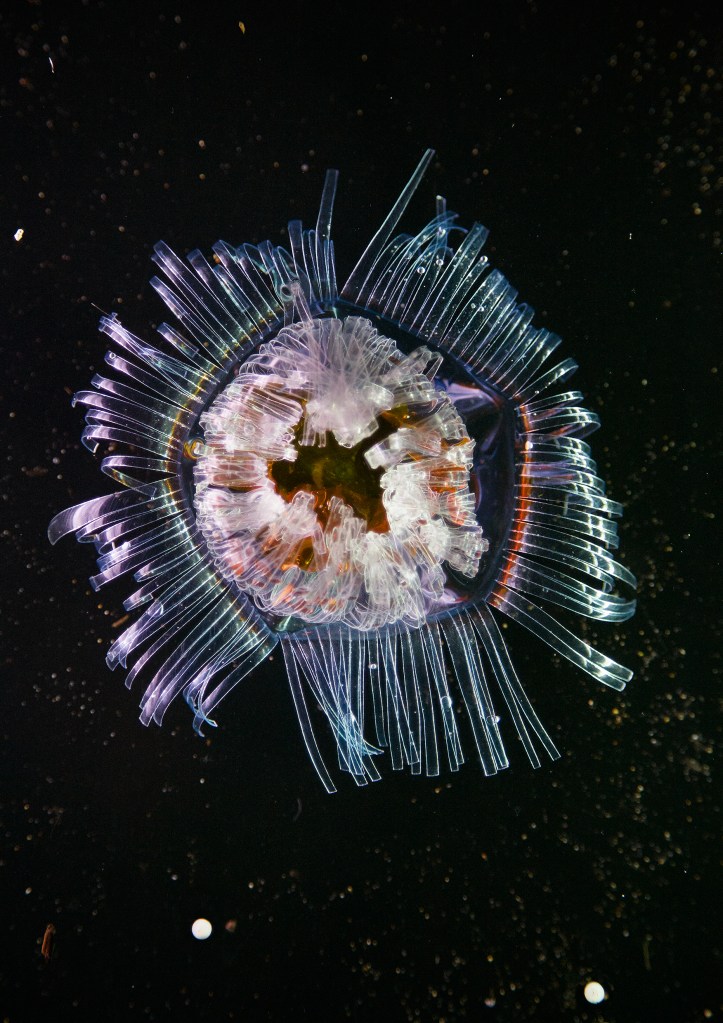
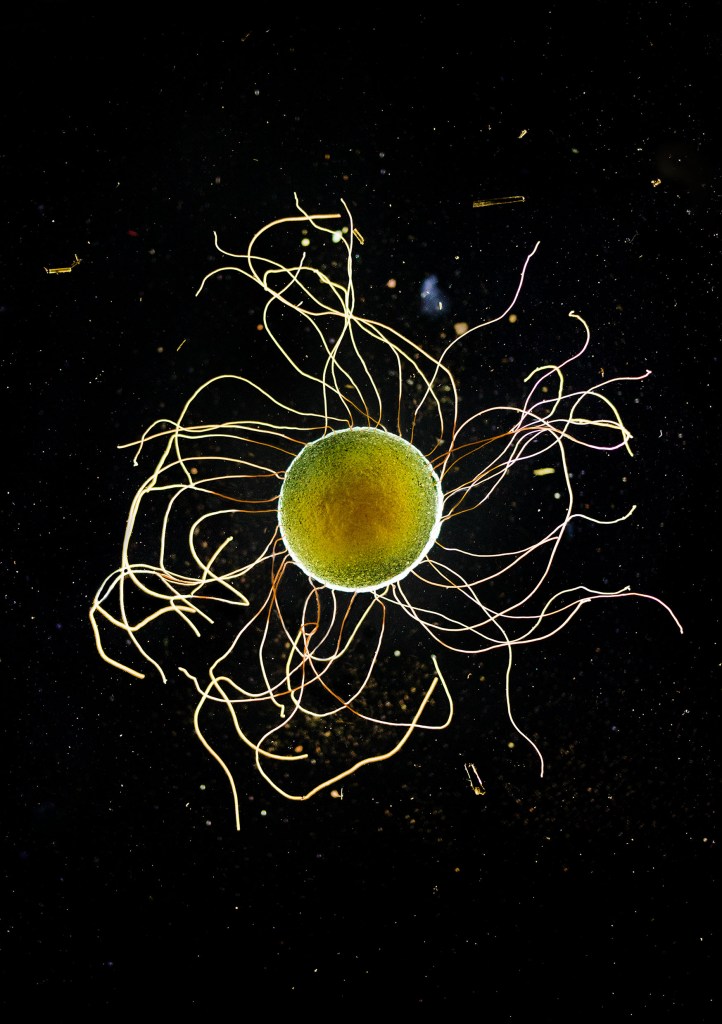
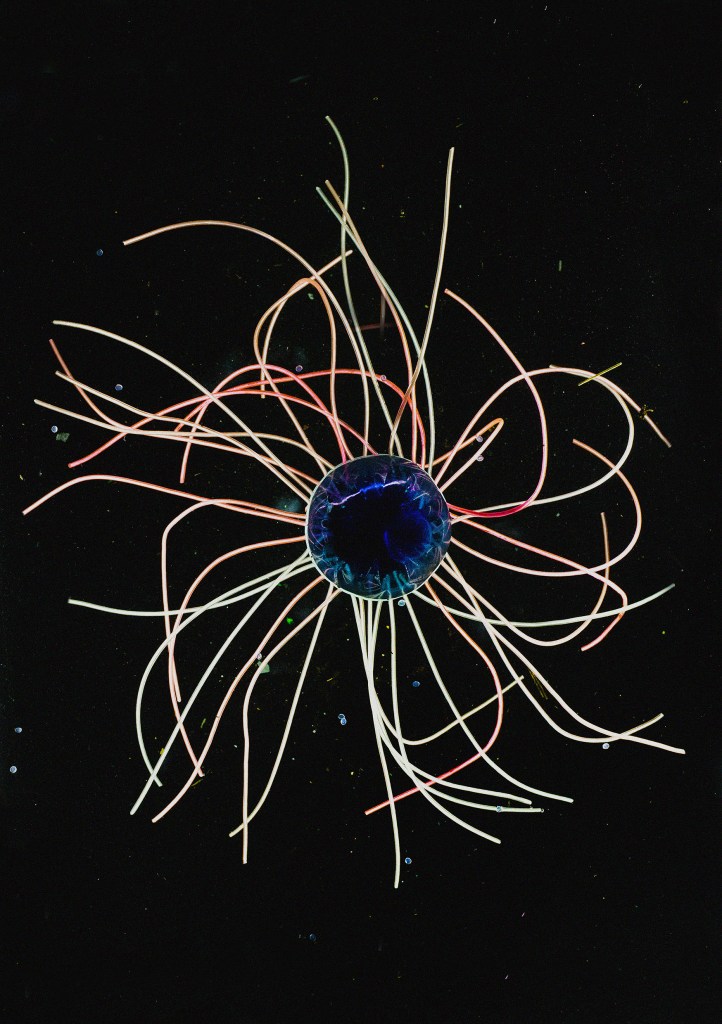
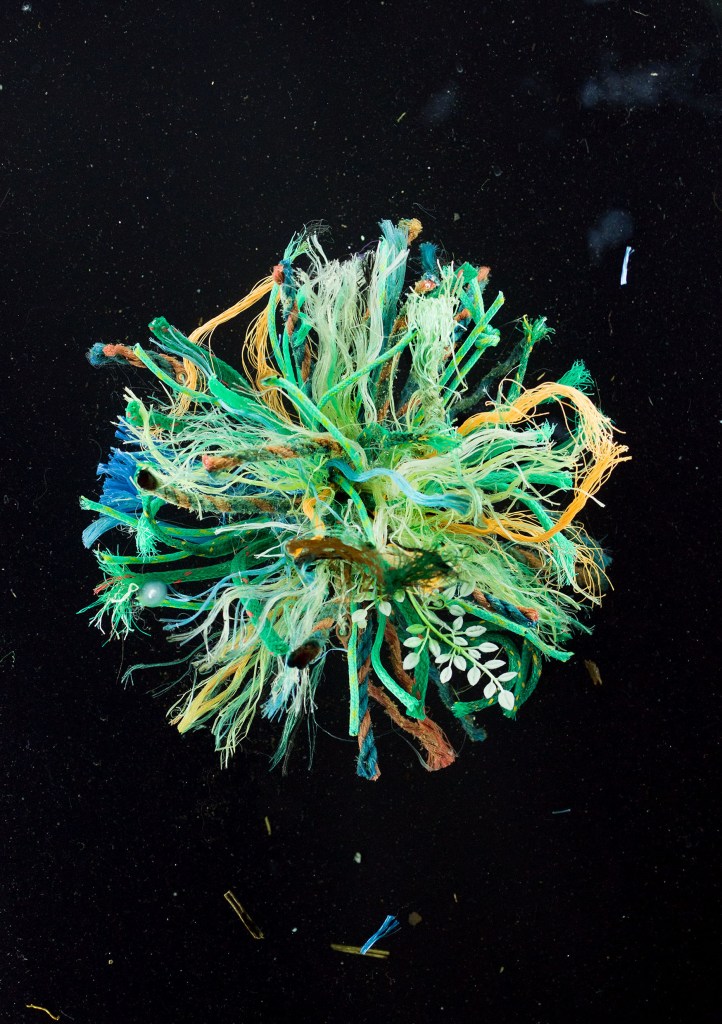
In the vast, mysterious world within the sea there are microscopic organisms so small that they look like specks of dust. Drifting along on the ocean currents, these organisms are known as plankton. Despite their insignificant appearance, these minute organisms play a vital role in sustaining life. Occupying the lowest level of the marine food chain, they are crucial in supporting all sea life further up the chain. Through the process of photosynthesis, they are also one of planets main sources of oxygen.
Conversely, increasing volumes of plastic in our oceans create a serious threat to marine life. Here, it breaks up into particles but does not disappear. Marine species mistake these particles for their normal food source – plankton – and the imposter plankton then work their way up the food chain with fatal effects.
In this series, these plastic ocean invaders are playfully formed to imitate exact plankton species. The replicas are presented as if they are a new species, reflected in the names of the photographs in which the type of plastic used and the plankton’s name are morphed into one word.
The world of plankton is complex and fascinating, this project has been motivated by a curiosity about the diverse species with whom we share our planet, and by a desire to preserve their environment. Research from this project has been supported by marine biology PHD students at Glasgow University.
 Shared Planet